

Wattuneed Maroc becomes Watt Power Engineering
Same team, same certifications, same follow-up: a new name that asserts our engineering expertise.
Read the article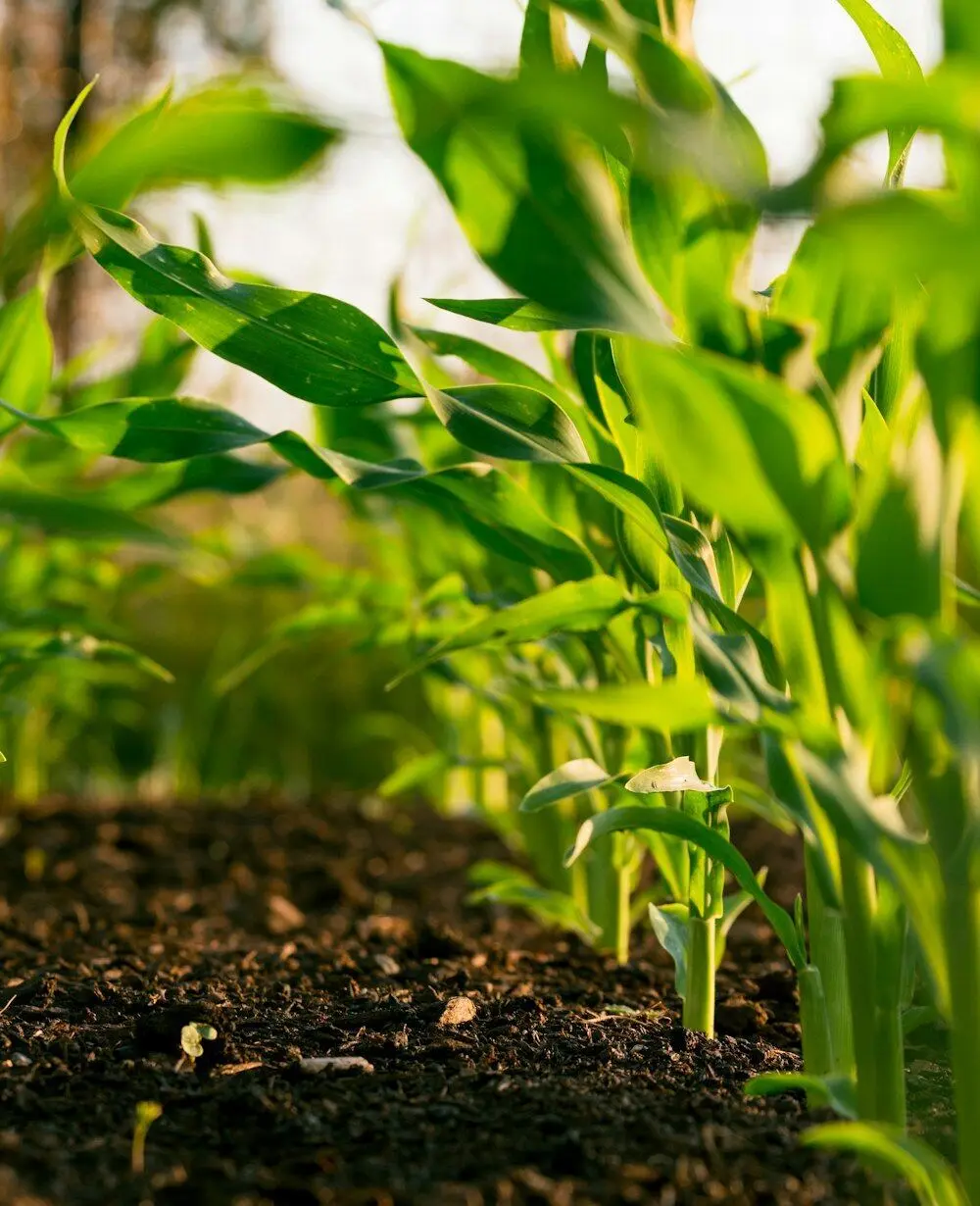
How it works, sizing, payback: everything you need to replace diesel with the sun.
For a farm, irrigation is often the biggest energy expense. Diesel and butane are expensive, their prices fluctuate, and the grid does not always reach the borehole. Solar pumping solves all three problems at once.
Photovoltaic panels power the pump through a solar drive, which adjusts pump speed to the sunlight. Water is pumped during the day and stored in a basin: the basin acts as the battery, which keeps the installation simple and affordable.
A successful project starts from three figures:
Our engineers visit the site, measure the borehole and calculate the panel and pump capacity. An undersized system runs short of water in summer; an oversized one costs too much for nothing.
Once installed, solar pumping uses no fuel and needs little maintenance. Depending on the diesel or butane it replaces, the investment often pays for itself within a few years, after which water is pumped almost for free for more than 20 years. Also look into the irrigation subsidies of the Agricultural Development Fund (FDA).
In the Marrakesh region, we built a 250 kWp solar pumping installation for a farm. It covers daytime irrigation and ended the farm's dependence on fuel.
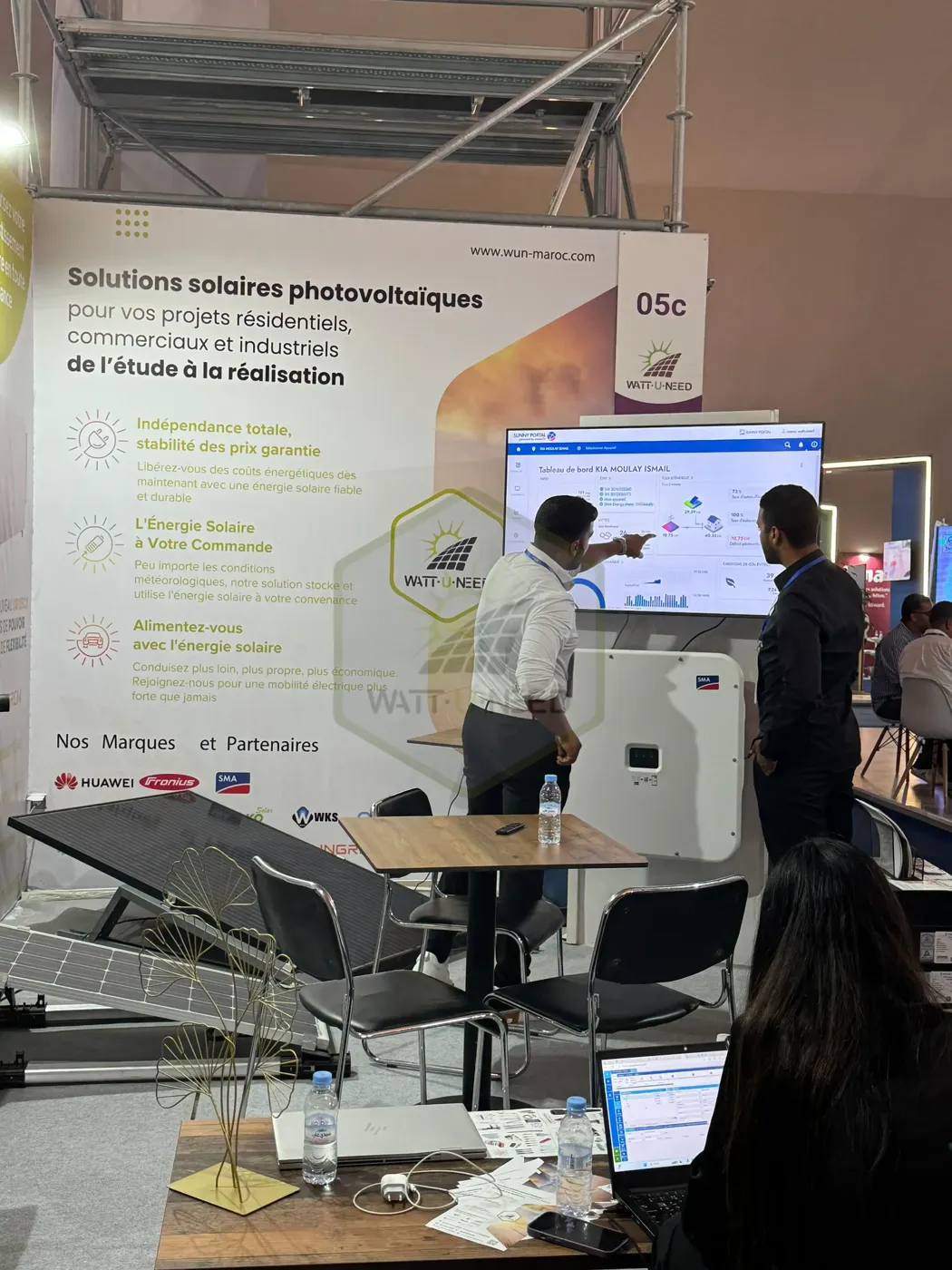
Same team, same certifications, same follow-up: a new name that asserts our engineering expertise.
Read the article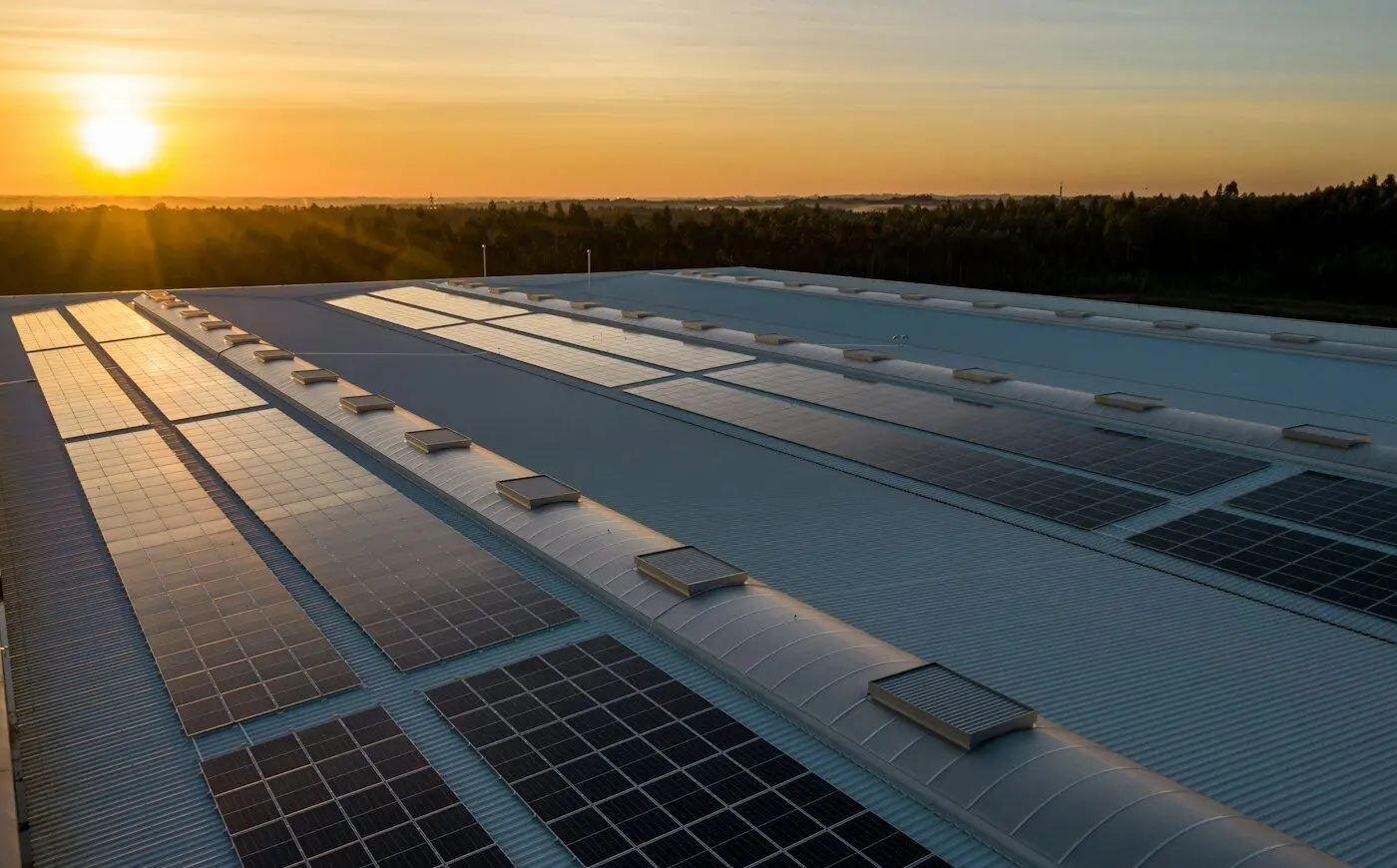
Producing your own power, selling surplus, storing it: the key points to prepare your project.
Read the article
Key steps, from energy audit to return on investment.
Read the articleOur engineers guide you towards a tailor-made solution that fits your needs.